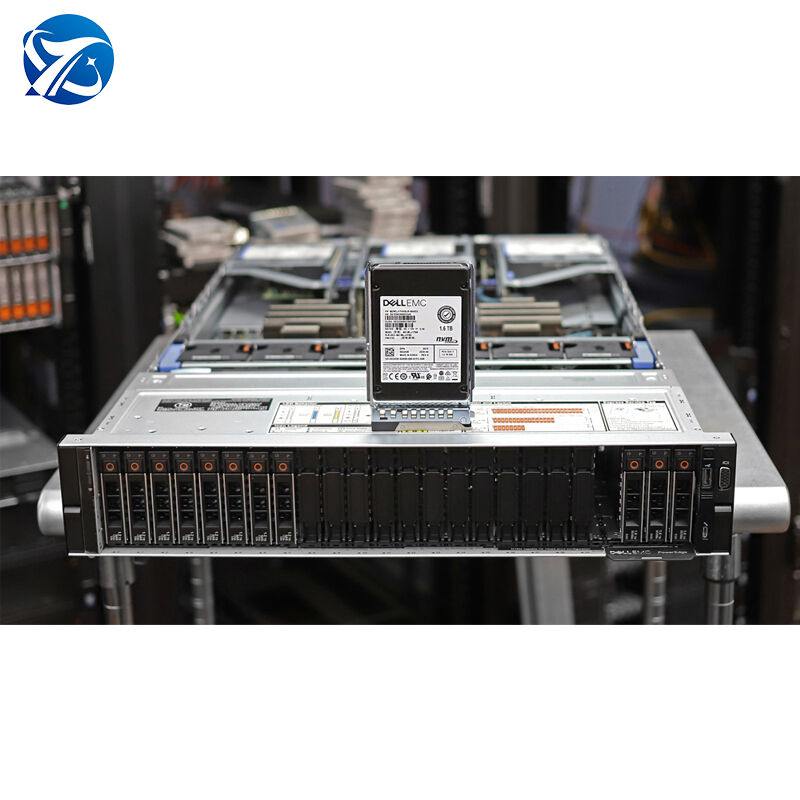
Linux Terminal Server: Centralized IT Management & Cost Savings

Get a Free Quote

Our representative will contact you soon.
Email
Mobile/WhatsApp
Name
Company Name
Message
0/1000
Unleashing the Power of Linux Terminal Servers

Unleashing the Power of Linux Terminal Servers

Linux Terminal Servers are revolutionizing the way businesses operate by providing a robust, secure, and efficient computing environment. With the ability to centralize management and reduce costs, Linux Terminal Servers enable organizations to streamline their IT infrastructure. They offer enhanced security features, allowing businesses to protect sensitive data while ensuring compliance with industry standards. By leveraging Linux’s open-source nature, companies can customize their terminal server solutions to meet specific needs, ensuring scalability and flexibility. Additionally, Linux Terminal Servers support a wide range of applications and services, making them ideal for diverse work environments. The cost-effectiveness of Linux solutions, combined with the powerful performance of terminal servers, empowers teams to collaborate seamlessly, all while reducing hardware expenditures.
Get A Quote

Case Studies

Transforming Operations at a Leading Financial Institution

A prominent financial institution faced challenges with their traditional IT infrastructure, struggling with high costs and maintenance issues. By implementing a Linux Terminal Server solution, they centralized their operations, significantly reducing hardware costs. The institution’s IT team reported a 40% decrease in maintenance time, allowing them to focus on strategic initiatives rather than day-to-day troubleshooting. Security was enhanced through centralized user management, reducing the risk of data breaches. The institution now benefits from a scalable solution that supports their growing workforce, enabling employees to securely access critical applications from any location.

Enhancing Educational Experiences in a University Setting

A large university sought to modernize its computer labs, which were underutilized due to outdated hardware. By deploying Linux Terminal Servers, the university transformed its IT environment, allowing students to access powerful applications on lightweight devices. This not only reduced hardware costs but also improved student engagement as they could access resources from anywhere on campus. The university reported a 50% increase in lab utilization and enhanced collaboration among students. The flexibility of the Linux Terminal Server solution has enabled the institution to adapt to the evolving needs of students and faculty alike.

Streamlining Operations for a Manufacturing Company

A manufacturing company struggled with managing multiple systems across various departments, leading to inefficiencies and data silos. By implementing a Linux Terminal Server, they achieved a unified platform for all departments to access necessary applications and data. This integration reduced operational bottlenecks and improved communication between teams. The company saw a 30% increase in productivity as employees could collaborate more effectively. Furthermore, the Linux solution provided robust security measures, ensuring that sensitive production data remained protected. The manufacturing company now operates with greater efficiency and confidence in its IT infrastructure.

Related products

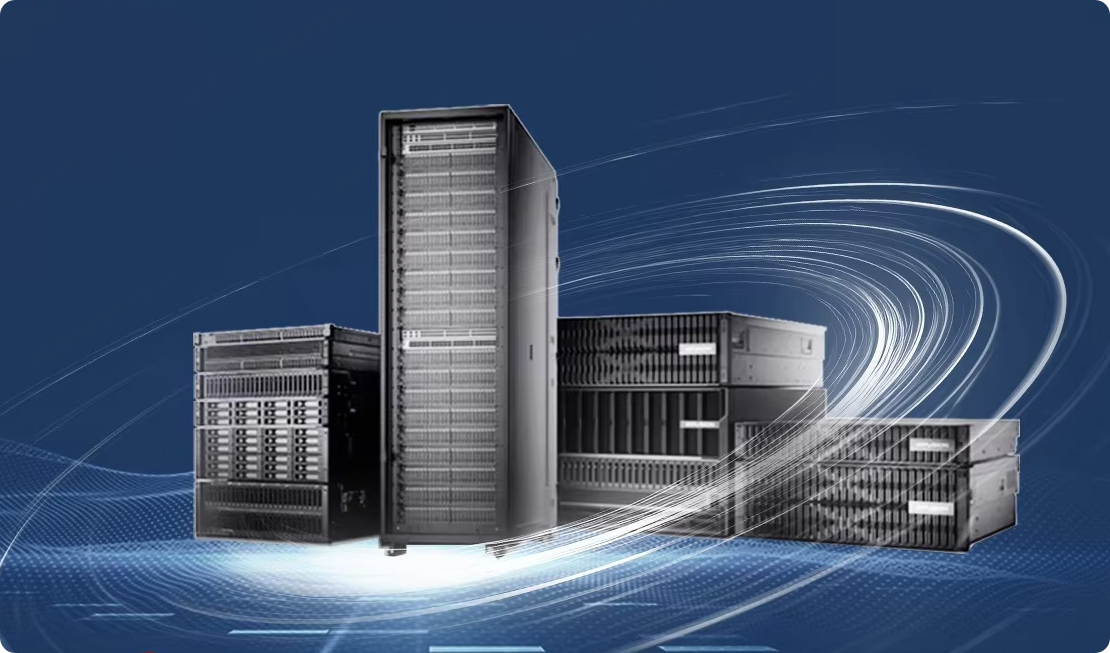
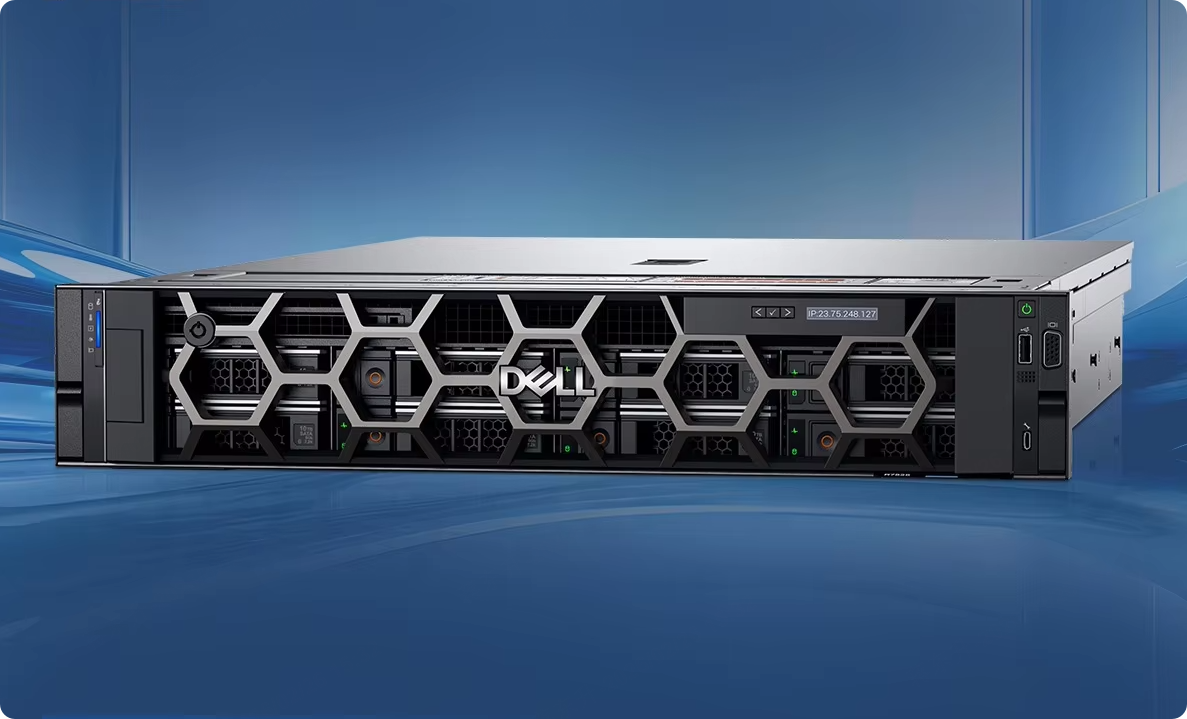
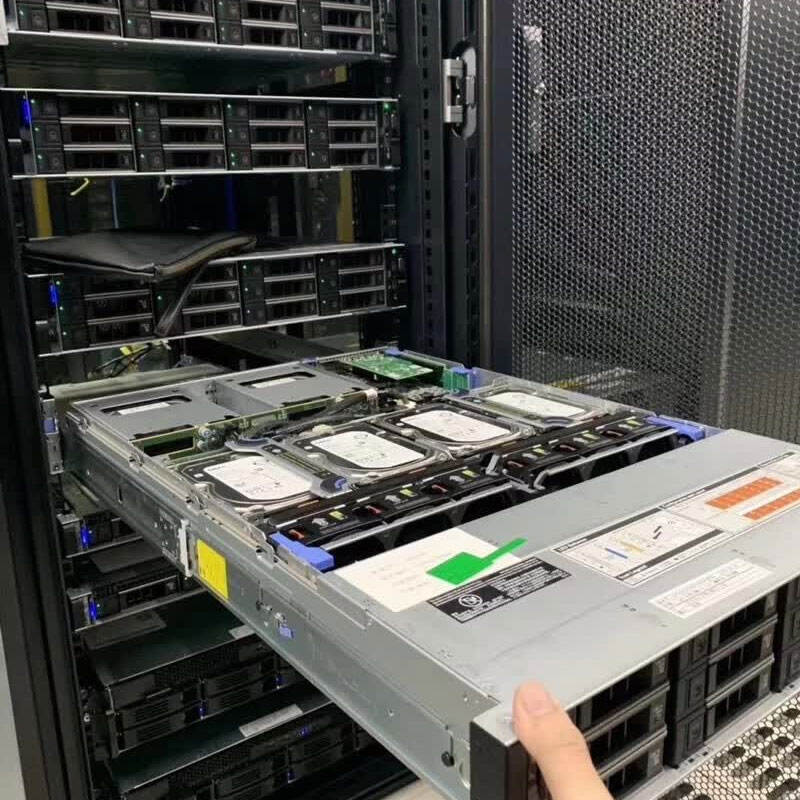
For modern businesses, the Linux Terminal Server is an excellent choice because it decreases costs, boosts security, and strengthens computing centralization. With this software, multiple clients connect to one server and run server-level applications and access server-level files that clients would otherwise access locally on their servers. This server-software combination helps businesses optimize their computing by simplifying the management of their IT and server equipment. To optimize this software and the business's productivity, the Linux Terminal Server is particularly important in the current state of remote work. The software optimally provides a virtual office for the remote employees of the business because it encourages collaboration. This software and the hardware that can be purchased to run it are fully configurable to meet employees of a business's needs. This server-software combination is optimal for businesses of all sizes since the Linux operating system is fast and reliable. The Linux operating system has a supportive and large developer community, and so it is a low-risk and modern solution that strengthens a business's security when chosen over a different operating system.

Frequently Asked Questions About Linux Terminal Servers

What are the primary benefits of using a Linux Terminal Server?

Linux Terminal Servers offer centralized management, cost savings, enhanced security, and the ability to support multiple users efficiently. They reduce hardware requirements and are ideal for remote work environments, ensuring productivity remains high.
Yes, Linux Terminal Servers can support a wide range of applications, making them versatile for different industries. They can run productivity software, specialized applications, and even virtual desktops, catering to diverse business needs.

Related Articles

Choosing the Right Server for Your Business: A Comparative Guide to Dell, xFusion, Inspur, and Lenovo

03

Mar

Choosing the Right Server for Your Business: A Comparative Guide to Dell, xFusion, Inspur, and Lenovo

View More
Ensuring Business Continuity: Tiansheng Cloud's Stable Supply Chain and Rapid Delivery Commitment

03

Mar

Ensuring Business Continuity: Tiansheng Cloud's Stable Supply Chain and Rapid Delivery Commitment

View More
Eliminating Bottlenecks: Upgrading Server Accessories for Enhanced System Efficiency

03

Mar

Eliminating Bottlenecks: Upgrading Server Accessories for Enhanced System Efficiency

View More

Customer Feedback on Linux Terminal Servers

John Smith
A Game-Changer for Our IT Infrastructure

Implementing a Linux Terminal Server has transformed our operations. We have seen significant cost savings and improved security. The centralized management allows our IT team to focus on strategic projects rather than troubleshooting. Highly recommend!

Sarah Lee
Perfect Solution for Our Remote Workforce

The Linux Terminal Server has been a perfect fit for our remote team. It allows seamless access to applications and files, ensuring productivity remains high. Our employees are happy with the performance and security.

Get a Free Quote

Our representative will contact you soon.
Email
Mobile/WhatsApp
Name
Company Name
Message
0/1000
Centralized Management for Enhanced Efficiency

Centralized Management for Enhanced Efficiency

At the core of the Linux Terminal Server architecture is a "Single Point of Truth" management model, designed to transform fragmented IT environments into a cohesive, high-performance ecosystem. By centralizing the entire operating system, application stack, and user profiles onto a robust backend cluster, IT departments can orchestrate global updates and security hardening in real-time, rather than managing each individual workstation. This architecture effectively eliminates the "maintenance sprawl" associated with traditional PC deployments; whether you are deploying an enterprise-grade ERP system or pushing critical kernel-level security patches, the changes are reflected across hundreds of connected thin clients instantaneously. Furthermore, this centralized control grants administrators granular visibility into resource allocation, allowing them to dynamically balance CPU and memory loads based on user activity.
Cost-Effectiveness of Linux Solutions

Cost-Effectiveness of Linux Solutions

One of the most compelling strategic advantages of Linux Terminal Servers is their ability to radically decouple computational power from individual hardware costs. By shifting the heavy processing load to the server side, organizations can significantly extend the lifecycle of existing hardware or deploy low-cost, energy-efficient "Thin Clients" that lack expensive internal storage and high-end processors. This "Hardware Agnostic" approach allows for massive horizontal scaling without the prohibitive capital expenditure (CAPEX) usually required for fleet-wide hardware refreshes. Beyond the hardware, the open-source DNA of Linux eliminates the recurring burden of per-user licensing fees and CAL (Client Access License) costs associated with proprietary terminal services, providing a predictable and transparent budget model.

Get a Free Quote

Our representative will contact you soon.
Email
Mobile/WhatsApp
Name
Company Name
Message
0/1000
email goToTop